Meningitis Prevention: Your Essential Guide to Vaccination Schedules
Meningitis, a formidable and potentially life-threatening inflammation of the membranes surrounding the brain and spinal cord, demands our serious attention. Caused by various pathogens, including viruses, bacteria, and even fungi, this condition can lead to severe complications if not promptly prevented or treated. Understanding How To Prevent Meningitis is not just about reacting to an outbreak; it's about proactive protection for yourself and your loved ones. This comprehensive guide will empower you with effective strategies, with a crucial focus on vaccination schedules, alongside other vital precautions.
Understanding Meningitis: A Serious Threat
Meningitis begins when infectious agents invade the meninges – the protective layers that envelop your brain and spinal cord. While viral meningitis is often less severe and may resolve on its own, bacterial meningitis is particularly dangerous, capable of causing brain damage, hearing loss, learning disabilities, or even death within hours if left untreated. Symptoms often manifest rapidly and can include a severe headache, high fever, stiff neck, nausea, vomiting, chills, and confusion. As the disease progresses, patients might experience a decreased level of consciousness, becoming less rational, and potentially slipping into a coma. Both children and adults are vulnerable, underscoring the universal need for robust prevention strategies.
Vaccination: Your Primary Shield Against Meningitis
In the fight against meningitis, vaccination stands out as the most powerful and scientifically proven defense. These vital immunizations work by preparing your immune system to recognize and combat specific meningitis-causing pathogens, significantly reducing your risk of developing the disease or experiencing its most severe forms. There isn't a single "meningitis vaccine"; rather, there's a suite of vaccines, each targeting different types of bacteria responsible for the majority of severe cases.
- Meningococcal Vaccines: These vaccines protect against the Neisseria meningitidis bacteria, a leading cause of bacterial meningitis. There are two main types:
- MenACWY vaccines: Protect against serogroups A, C, W, and Y.
- MenB vaccines: Protect against serogroup B, which causes a significant portion of meningococcal disease, particularly in adolescents and young adults.
- Pneumococcal Vaccines: Targeting Streptococcus pneumoniae, these vaccines prevent pneumococcal meningitis, which can also cause ear infections, pneumonia, and bloodstream infections.
- Hib Vaccine: This vaccine protects against Haemophilus influenzae type b, once a major cause of bacterial meningitis in children before the introduction of the vaccine.
Navigating the Vaccination Schedules: When to Get Protected
Adhering to recommended vaccination schedules is paramount for optimal protection against meningitis. These schedules are carefully designed by health authorities to provide immunity at the most critical stages of life:
- Infants and Young Children: This group is particularly vulnerable.
- The Hib vaccine is typically administered as part of routine childhood immunizations, starting around 2 months of age.
- Pneumococcal vaccines (PCV13 or PCV15) are also routinely given to infants, with doses starting around 2 months and continuing through early childhood.
- Meningococcal ACWY vaccines may be recommended for certain infants or young children at high risk, such as those with specific medical conditions.
- Adolescents and Young Adults: This age group faces an increased risk of meningococcal disease, especially when living in close quarters like college dorms or military barracks.
- A dose of MenACWY vaccine is routinely recommended around age 11-12, with a booster dose at 16 years.
- The MenB vaccine is recommended for adolescents and young adults (ages 16-23 years) who are at increased risk or wish to have protection against serogroup B meningococcal disease.
- Individuals with Certain Medical Conditions or Weakened Immune Systems: People with conditions such as asplenia (missing spleen), HIV, complement component deficiency, or those taking certain immunosuppressive medications are considered high-risk. They may require additional doses of meningococcal, pneumococcal, and Hib vaccines, often at different ages or intervals than the general population. It is absolutely crucial to consult with a healthcare professional to determine the appropriate vaccines and schedule for these specific circumstances.
- Travelers to Endemic Regions: For those traveling to areas where specific types of meningitis are common, such as the "meningitis belt" of Africa, meningococcal vaccines (especially MenACWY) may be highly recommended or even required.
Remember, vaccination is your first line of defense. Staying up-to-date with these immunizations is a proactive step in protecting against this severe disease. Always consult your doctor or a public health clinic to ensure you and your family are following the most current and personalized vaccination guidelines.
Beyond the Needle: Everyday Prevention Strategies
While vaccination is paramount, it's not the only strategy in How To Prevent Meningitis. Simple, consistent everyday habits play a significant role in minimizing the spread of meningitis-causing pathogens, whether viral, bacterial, or fungal. These practices complement vaccines by reducing exposure and enhancing overall resilience.
The Power of Personal Hygiene
Many pathogens, including those that cause meningitis, spread through respiratory droplets or direct contact with bodily fluids. Excellent personal hygiene disrupts this chain of transmission:
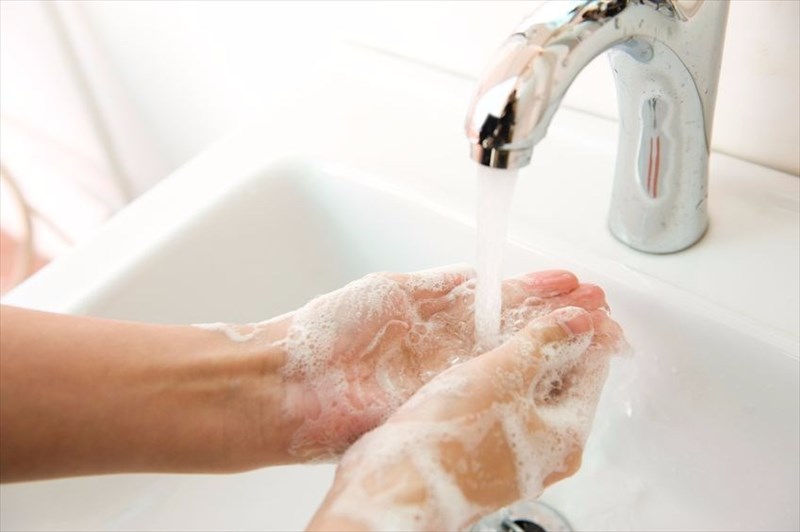
- Frequent and Thorough Handwashing: This is a cornerstone of infection prevention. Make it a habit to wash your hands regularly with soap and water for at least 20 seconds, especially after coughing, sneezing, using the restroom, before eating, and after being in public spaces. If soap and water aren't available, an alcohol-based hand sanitizer (at least 60% alcohol) can be used.
- Respiratory Etiquette: Cover your mouth and nose with a tissue when you cough or sneeze, then dispose of the tissue immediately. If a tissue isn't available, cough or sneeze into your elbow, not your hands.
- Avoid Touching Your Face: Try to minimize touching your eyes, nose, and mouth, as these are common entry points for germs into your body.
- Food Safety: Always wash fruits and vegetables thoroughly before eating them. While less directly linked to meningitis, good food hygiene contributes to overall health and reduces susceptibility to other infections that could weaken the immune system.
- Child Care: Caregivers should give special attention to children, ensuring they are bathed at regular intervals and maintaining their personal cleanliness to keep them healthy and less vulnerable to infections.
Creating a Healthy Environment
Our living spaces and lifestyle choices can also influence our risk of infection:
- Well-Ventilated Rooms: Sleeping and living in well-ventilated rooms can help reduce the concentration of airborne pathogens, including those that spread meningitis. Good air circulation dilutes viral and bacterial particles, making transmission less likely, especially during outbreak seasons.
- Avoid Close Contact During Outbreaks: If there's an outbreak of meningitis in your community, it's prudent to avoid close contact with sick individuals, including sharing eating utensils, drinks, or cigarettes.
- Maintain Overall Health: While not a direct preventative measure against meningitis itself, avoiding extreme exposure to the sun (which can cause skin diseases and dehydration) and maintaining a healthy lifestyle through balanced nutrition, adequate sleep, and regular exercise strengthens your immune system, making you generally more resilient against all types of infections.
The Role of Community and Awareness
Public health efforts are crucial in preventing and controlling meningitis. Governments and development organizations play a vital role in increasing surveillance activities to monitor outbreaks and identify high-risk areas. Equally important are sensitisation campaigns at the grassroots level, educating communities about the importance of vaccination, symptoms to watch for, and simple hygiene practices. Early detection and prompt medical intervention are critical if symptoms appear, making community awareness a powerful tool for saving lives.
Conclusion
Meningitis is a severe condition, but it is largely preventable. By understanding How To Prevent Meningitis, you equip yourself with the knowledge to safeguard your health. Vaccination remains the most effective defense, with specific schedules tailored for different age groups and risk factors. Supplementing these vital immunizations with diligent personal hygiene, a healthy living environment, and staying informed about community health advisories creates a robust protective barrier. Don't wait for an outbreak; be proactive, consult your healthcare provider about your vaccination needs, and empower yourself and your family with these essential prevention strategies.